Google Search

Google
Showing posts with label Go Auto Australia. Show all posts

Friday, November 19, 2010

400th post: Presenting Videos+SUPERTEST: Lotus Elise MK1

This is the 400th post. To CELEBRATE this Occasion,  I'm covering Comprehensive review of Lotus Elise MK1.  The Lotus Elise MK1's produced from 1997 to 2001 (1998 to 2003 In Malaysia).

The Elise is Quite rare in Malaysia.  As a result, I don't have a car to test and brag about.  All is NOT LOST, I dished out 3 videos review, 3 links to "Buyer's Guide", 1 Supertest by GoAuto Australia, and 4 Owners review sourced from Carsurvey.org.

In Malaysia, presently, there's 5 units of Lotus Elise MK1 on sale in Mudah.my. 1 1998, 1 1999 and 3 2000 model.  From the 5 units, I worked out
the averaged Used Elise Pricing:

Year:.....1998....1999....2000....2001....2002...2003
Price:....105k....117k....125k....133k....140k...150k

Without further ado, here's some links to "LOTUS ELISE BUYER"S GUIDE"...

LInk 1: http://www.elises.co.uk/features/buyersguide/index.php

Link 2: http://www.parkers.co.uk/cars/reviews/lotus/elise-1996.aspx

Link 3: ELISE FAQ:
http://www.hazelnet.org/elise_faq/index.htm

NEXT: Videos featuring LOTUS Elise MK1:
Video 1: FIFTH GEAR(?): Lotus Elise MK1


Video 2: Top Gear Best Handling Car In The World Part 1 of 2


Video 3: Top Gear Best Handling Car In The World Part 2 of 2


Followed by "SUPERTEST" by GoAuto Australia.  ENJOY:

SUPERTEST: Lotus Elise MK1

Overview
1997 Lotus Elise convertible Car Review
IT'S big on price and short on equipment levels, but when it comes to
speed, handling and looks, the super-light Lotus goes off the scales.

Its lightness of being and a gutsy Rover engine provide the motivation
while the steering, brakes and handling will flatter the most ham-fisted
driver.

Such a shame it is beyond the budget of many sporty drivers.
Model release dates: January 1997 - June 2000


The Car
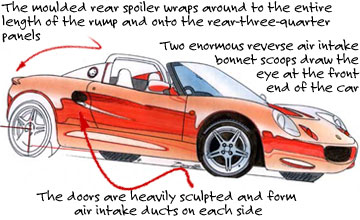
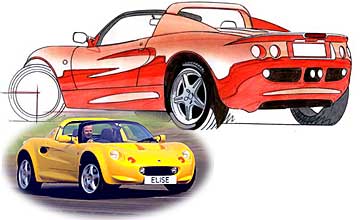
1997 Lotus Elise convertible | GoAuto - something
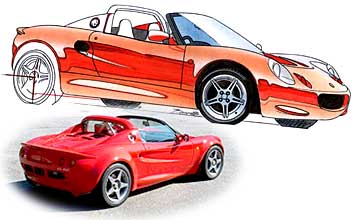
STUNNING. Distinctive. Small. Spartan. What else can we say about the
Elise? It's the work of Julian Thomson, who clearly had a wonderful time
styling the car. The heavily sculpted "clamshell" body is made from lightweight
glass-fibre composite materials and designed to provide a minimum of
aerodynamic drag and maximum of interest from anyone who sees it.

Did you know?Brit Anthony Colin Bruce Chapman (1928-1982) founded lotus in 1955.
THE ACBC monogram is incorporated into the Lotus badge.

The Car - Seat Plan
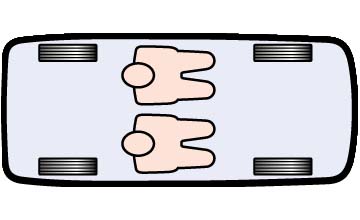
1997 Lotus Elise convertible | GoAuto - something
THE driver's seat is nearer the vehicle's centre-line than the passenger seat,
which itself is fixed in the rearmost position. The aluminium chassis is left
exposed along the floor, under the dash and along the sides of the car. A
number of small trays and pockets are provided for odds and ends, plus a
document net behind the front seats. Getting into the cockpit requires hurdling
over the high sill - best to climb in feet-first.

Did you know?

Some of the significant Lotus moments were the launch of the Lotus Seven
in 1957, the Type 19 (aka Monte Carlo) in 1960, Elan in 1962, Elite in 1974,
and Esprit and Eclat in '75.

The Car - Seats
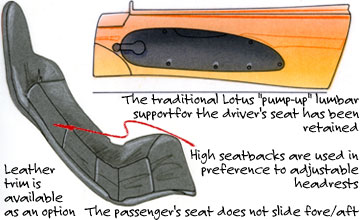
1997 Lotus Elise convertible | GoAuto - something

THE design of the seats was altered for the 2000 model year to provide
greater comfort, without compromising "seat of the pants" chassis feedback
to the driver. The traditional Lotus "pump-up" lumbar support for the driver's
seat has been retained. High seatbacks are used in preference to adjustable
headrests. Leather trim is available as an option. The passenger's seat does
not slide fore/aft.

The Car - Dash
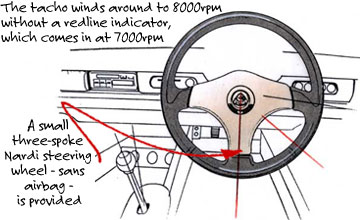
1997 Lotus Elise convertible | GoAuto - something
A spartan dash with a Stack racing car instrument layout offers large dials
for road and engine speed. All other information is delivered by a multi-
function LCD readout. A cigarette lighter can be found, but there is no
ashtray, nor is there a radio in the base model's standard equipment.

The Car - Controls
1997 Lotus Elise convertible | GoAuto - something
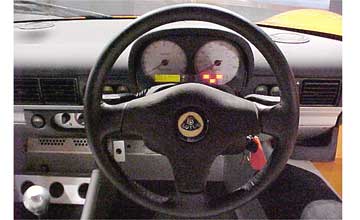
THE indicator and wiper stalks are borrowed from GM cars such as the
Barina, while the windows and mirrors are DIY jobs. A row of five buttons
to the right of the steering wheel - sourced from Peugeots of a bygone era -
controls the lights.

Did you know?

The top-shelf Elise is the $140,000-plus limited edition (340 worldwide)
340R racecar, which has a revised gearbox, suspension and brakes.

The Car - Wheels/tyres
 1997 Lotus Elise convertible | GoAuto - something
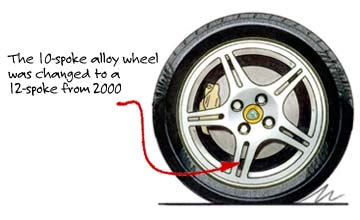
THE mid-engined Elise has a 39/61 per cent front to rear weight distribution
and as a result rides on 5.5x16 185/55R15 front wheels and tyres, and 7Jx16
205/50R16s at the rear. There's no room for a spare, just a tyre-inflating
aerosol can.

Did you know?

Lotus cars are built at Hethel in Norfolk, near Norwich

The Car - Luggage


The 2000 model year brought an improvement to the Elise's cargo carrying
ability, dispensing with the boot bag? A fully lined boot now uses the full area
behind the engine which is no Falcon or Commodore cargo space, but perfectly
acceptable for a couple of overnight bags

A piece of insulation underneath the boot carpet has also been added to shield the boot from exhaust heat.  A further benefit of the larger boot is that the roof bows, previously stored behind the seats, can now be stored in the boot. There are two velcro clamps at the top of the engine bulkhead, which allow the roof bows to be easily stored.

The cloth hood and frame stow neatly behind the seats

The Car - Climate control
1997 Lotus Elise convertible | GoAuto - something
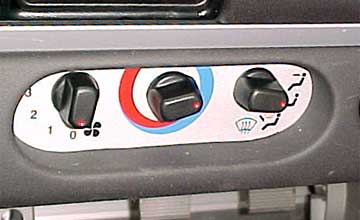
TO own an Elise means sacrifices must be made, and air-conditioning -
unavailable even as an option - is one of them. A minimum of heating/
temperature controls are provided - a fan knob and a control for heat and
air distribution.


The Car - Security
  1997 Lotus Elise convertible | GoAuto - something

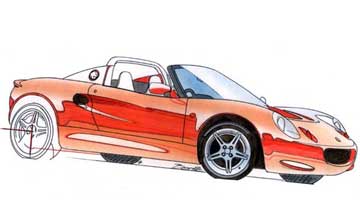
SECURITY is provided for with the inclusion of an engine immobiliser
- and that's about it.

Did you know?

A new generation Elise was due to go on sale in late 2001.

Our opinion

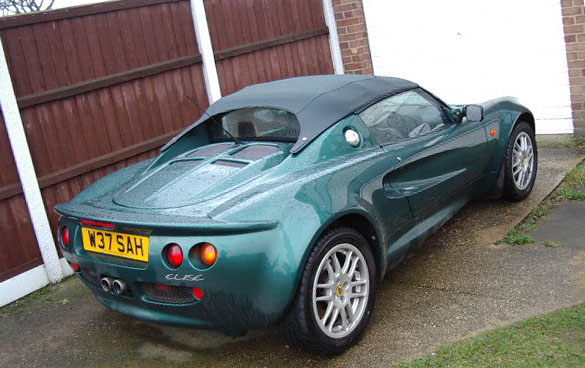
  Lotus Elise convertible Rear shot


Light, sexy looks, clever use of advanced build system.
Room for improvement Tricky to enter, unexciting engine note, hilarious weather protection.

Our Opinion - Other opinions

"The Elise offers pure, basic motoring at its finest with compromises only to comfort. Sunburn, numb-bum, no luggage and too close an intimacy with the passenger are paybacks for a razor's edge experience at any speed. But still, love's like that."
"The Elise is a triumph - it is good enough to carry the rebirth of the marque on its shoulders and make Lotus great once more."
"Brilliant minimalist sports car, which unfortunately wears a maximalist price tag."

Mechanical


1997 Lotus Elise convertible | GoAuto - something

Mechanical - Plan views

1997 Lotus Elise convertible | GoAuto - something
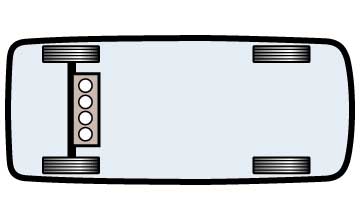
THE Elise adopts classic "mid-engine" design to equalise weight balance
between front and rear wheels. The transverse engine makes it less of a
true mid-engine design than the Porsche Boxster however. The four-
cylinder powerplant is derived from the MGF.

Mechanical - Engine
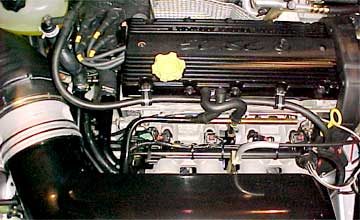
1997 Lotus Elise convertible | GoAuto - something
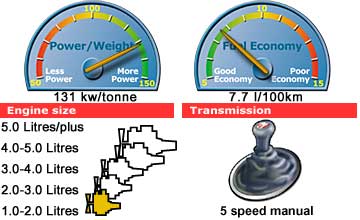
THE 1.8-litre DOHC 16-valve four-cylinder Elise engine has been transplanted
- unmodified - from the non-VVC MGF and develops 88kW at 5500rpm and
165Nm at 3000rpm. They aren't particularly startling figures until you consider
the Elise weighs just 690kg. Independent tests have shown it can blast from rest
to 100km/h in 6.5 seconds, and even that is sixth tenths off the official Lotus claim.
The low weight saves on fuel consumption too, though premium unleaded is called for.

Mechanical - Suspension
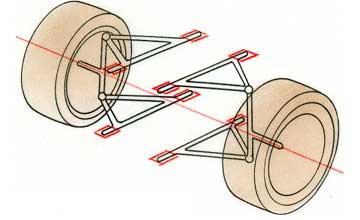
1997 Lotus Elise convertible | GoAuto - something
THE Elise uses a double wishbone suspension with single coil springs and
dampers front and rear. Uprights of extruded aluminium were made by
Alusuisse. The suspension setting is firm, in keeping with the car's no-
compromise racecar potential.

Mechanical - Transmission
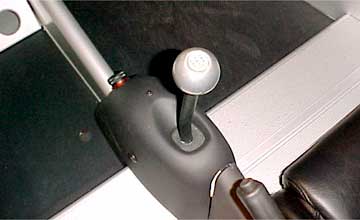
1997 Lotus Elise convertible | GoAuto - something
A FIVE-SPEED transaxle sourced from the MGF drives the Elise's rear wheels.
It's not the only item sourced from Rover - the K-series 1.8-litre engine and final
drive are straight from the MGF production line.
Automatic transmission is Unavailable.

Mechanical - Brakes
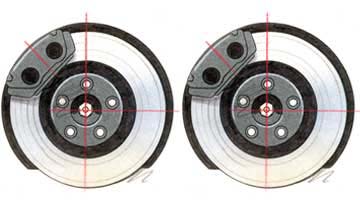
1997 Lotus Elise convertible | GoAuto - something
UNTIL the 2000 model year, the Elise used aluminium disc brakes which
saved a great deal of weight over materials such as cast iron. However, the
aluminium discs have proven unsatisfactory during sustained competition and
track work - where the car spends much of its time - and as a result Lotus
engineers have swallowed an increase in unsprung weight with the standard
fitment of steel brakes.  Anti-lock braking is unavailable on the Elise.


Mechanical - Steering
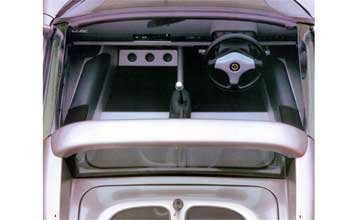
1997 Lotus Elise convertible | GoAuto - something
TIPPING the scales at an incredibly light 690kg, the Elise's weight allows
power assistance to be deemed unnecessary. The steering system is rack
and pinion, with a turning circle of 10 metres.  The unassisted steering goes
from lock to lock in just 2.7 turns.

Safety

THE lightweight aluminium chassis frame weighs a mere 70kg. Hollow
aluminium extrusions are joined by epoxy glue, with rivets added to
prevent peeling in the event of a collision. Side intrusion beams and a
roll bar are standard. A high-mount rear stoplamp is provided. Airbags
and anti-lock brakes are unavailable.
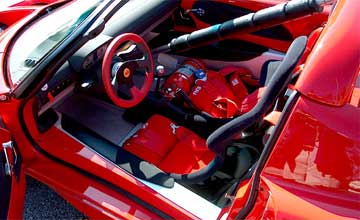
 1997 Lotus Elise convertible | GoAuto - something
The Sport R version, which is set up for the racetrack, is shown above.

Specifications:

    WARRANTY:

  • Two years/unlimited km

    ENGINE:

  • Mid-mounted, twin camshaft, 16-valve inline four-cylinder.
  • Multi-point Injection
  • Capacity: 1.796 litres
  • Power: 88kW at 5500rpm
  • Torque: 165Nm at 3000rpm
  • Bore/stroke: 80.0mm/89.3mm
  • 10.5:1

Performance and Economy

200 km/h
5.9 s
9.6 l/100km  (10.4km/l)
5.7 l/100km (17.5km/l)
7.1 l/100km (14.1km/l)
170 g/km
Fuel tank: 40litres

    TRANSMISSION:

  • Five-speed manual

    SUSPENSION:

  • Front: Independent, double wishbones, coil springs
  • Rear: Independent, double wishbones, coil springs

    STEERING:

  • Un-assisted rack and pinion

    DIMENSIONS:

  • Length: 3726mm
  • Width: 1701mm
  • Height: 1202mm
  • Track, front: 1440mm
  • Track, rear: 1440mm
  • Kerb weight: 690kg 
END OF GOAUTO Australia Review:
SOURCE:
http://www.goauto.com.au/mellor/mellor.nsf/story2/B24764C744BA8F82CA256A0F001DD560


Colour Choices:


TOTAL: 10 colours to choose from!

Before I go, here's a PARTING SHOT: INTERIOR SHOT:

THAT"S ALL FOLKS, THANKS FOR HAVING THE TIME AND PATIENCE TO READ THIS BLOG ENTRY!

Tuesday, June 15, 2010

COMPREHENSIVE REVIEW: TOYOTA MR-2 Spyder 2000-05

In this blog entry, I'm covering 2000 to 2005 Toyota MR2 Spyder (MR-S in some part of the World).  In Malaysia, Toyota MR2/MR-S is freaking RARE as it was NOT OFFICIALLY IMPORTED by UMW Toyota.  Hence, ALL MR2/MR-S you see on Malaysian roads were GREY or PERSONAL Imports.  There were less than 200 units of MR2/MR-S throughout Malaysia.

 
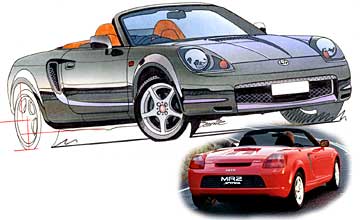
Above: JDM Toyota MR-S with TRD Bodykit stage 2.  
Below: with TRD Bodykit Stage 3 + Hardtop.


Here are the used prices of Toyota MR2/MR-S in Malaysia:

Year: 2000....2001......2002......2003......2004......2005 (Unreg)

RM:... 88k.....96k........105k.......115k........125k.........140k

It's HARD for me to find a unit to test drive and brag about it since this car is SO RARE in Malaysia.  ALL is NOT LOST, I dished out a COMPREHENSIVE review from GOAUTO Australia, MR2 MKIII Model history, List of Colour and trim choices,  and a whooping 11 OWNER'S Review from Carsurvey.org.  ENJOY:

SUPERTEST: Toyota MR2 Spyder / convertible

 SOURCE: http://www.goauto.com.au/mellor/mellor.nsf/story2/ D40A0C4C125ED651CA256A46008084E2 

Toyota MR2 Spyder / convertible

2000 Toyota MR2 Spyder convertible Car Review

Overview

WITH the third generation MR2 Toyota has significantly changed the direction of its small sports car.

Yes, it remains a two-seater with mid-mounted engine and rear-wheel drive, but the MR2 Spyder is the company's first car designed from the outset as a convertible and the first Toyota with a sequential shift semi-manual transmission.

Significantly lighter and cheaper than its predecessor, the Spyder offers real competition to the iconic Mazda MX-5 drop-top.

Model release dates: October 2000 - March 2006

Previous model


Make: Toyota
Model: Toyota MR2 Coupe

Release date:March 1994
End date:December 1999

The second generation MR2 was a stunning looker, but let down by an entry price that had marched beyond $60,000 by the end of its life.  Three versions appeared - the coupe, the Bathurst and GT.

All were powered by a mid-mounted 2.0-litre engine that produced 125kW and 186Nm.

2000 Toyota MR2 Spyder convertible | GoAuto - something

The Car

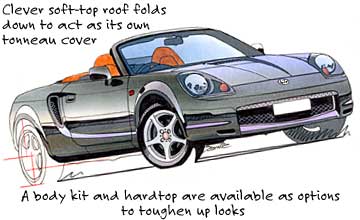
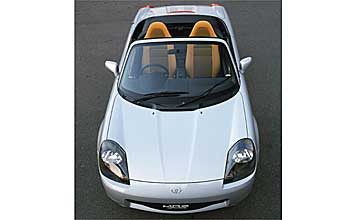
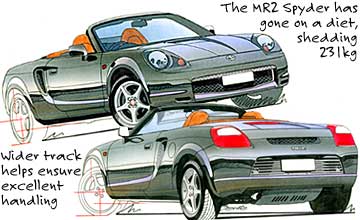
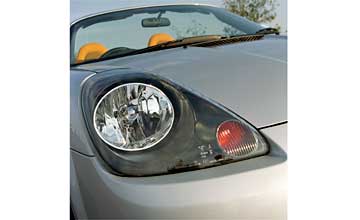
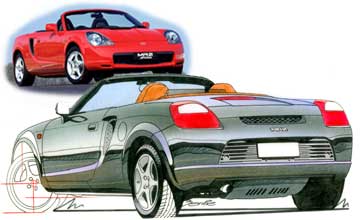
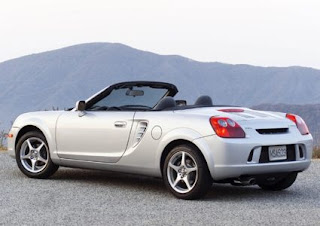
THE Spyder loses out to its predecessor in looks. The sleek coupe of yore is replaced by a cowl-forward design with extremely short overhangs at each corner. There's more than a touch of Porsche Boxster about the front-end, while the slab sides are only interrupted by large intake ducts for the mid-mounted engine - a traditional MR2 design element.

Did you know?

The first drawings of the MR2 Spyder were penned on a napkin at the Tindall RAAF base in the Northern territory by former chief engineer of Toyota's sports car projects, Tadashi Nakagawa. He was at Tindall for the launch of the Celica GT-Four Rallye

2000 Toyota MR2 Spyder convertible | GoAuto - something

The Car - Seat Plan

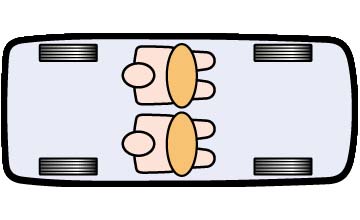
THE Spyder is purely a two-seater with the engine mounted in behind the seats and ahead of the rear axle, ensuring quite a "cab forward" feeling. As is traditional for two-seaters, luggage and storage space is limited. Toyota claims the convertible roof can be manually opened and closed in less than 60 seconds - a claim we can back up. A neat touch is the that the rear window is glass rather than plastic, ensuring better quality visibility.

The Car - Seats

2000 Toyota MR2 Spyder convertible | GoAuto - something

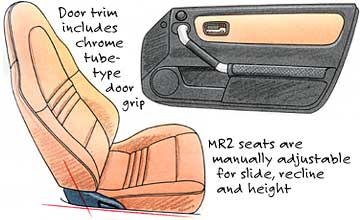
MR2's sports seats come standard with a two-tone cloth trim, although
a tan leather seat trim and roof cover is an option. The seats feature
Toyota's WIL (Whiplash Injury Lessening) design and are designed to
suit adults up to 190cm tall. The hip point has been lowered compared
with the superseded MR2 while seat cushion firmness and damping
have been increased. The passenger seat's leading edge has been
tilted upwards 1.5 degrees to maximise hold.

The Car - Dash

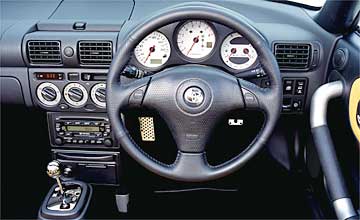
 2000 Toyota MR2 Spyder convertible | GoAuto - something

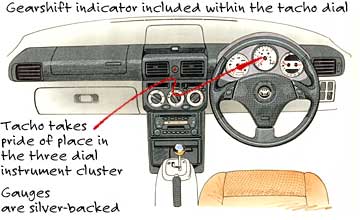
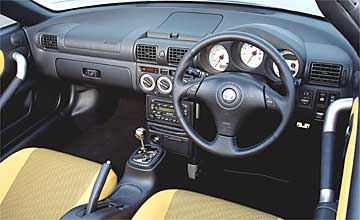
THE MR2's large and legible dials are placed within deep pods and
presented in true sports car-style, with the tachometer taking pride of
place in the centre. A digital gearshift indicator is incorporated into
the tacho housing. The stalks are standard Japanese fare with the
indicator mounted on the right and the windscreen wiper on the left.

Did you know?

Soft-top sports cars account for approximately 13 per cent of the
Australian sports and coupe segment.

The Car - Controls

2000 Toyota MR2 Spyder convertible | GoAuto - something
TOYOTA describes the interior of the Spyder as "retro/sports", although
the controls design theme seems to be more mish-mash. Some items
are designed for application in the MR2, others sourced from that great
Toyota parts bin. But in typical Toyota fashion, it's usually logical and
easy to use - the indicator stalk is on the right and also controls the lights
for instance. The toughest challenge will be adjusting to the gearshift
action - either using the floor-mounted lever or the buttons on the
steering wheel.

The Car - Wheels/tyres

2000 Toyota MR2 Spyder convertible | GoAuto - something

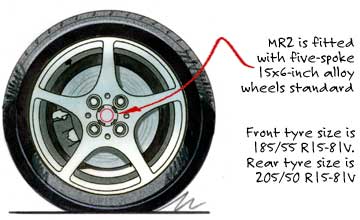
THE Australian-specification Spyder is fitted with either Bridgestone Potenza RE0140 or Yokohama Advan A043 tyres. Considering how
tight space is, it's no surprise the MR2 employs a space saver spare tyre.

Did you know?

A Sportivo body kit is available for the Spyder as an official Toyota Accessory. The kit consists of a front spoiler, side skirts, rear skirt and rear wing

2000 Toyota MR2 Spyder convertible | GoAuto - something

The Car - Luggage

TOTAL luggage capacity is a miniscule 140 litres, spread through four compartments, but it cannot fit a normal briefcase or golf bag in any of them. The Spyder's main luggage compartment is situated behind the seats.

Did you know?

Toyota claims the main luggage compartment behind the seats can accommodate a "slimline" 20cm circumference golf bag.

The Car - What's changed


2000 Toyota MR2 Spyder convertible | GoAuto - something

A LOT has changed, that's what. Toyota went back to basics for the
third MR2, gave the car a hair-cut, lopped some weight off it and
gave it a squarer look and stance. The result may not be as pretty
inside or out, but it seems to be effective in its primary role - thrills
for the fan of open-top motoring on a budget. Not everything works
of course. The gearshift is gimmickky and the looks - from the front
in particular - are derivative.

Did you know?

Accessories for MR2 include a removeable hardtop, polycarbonate headlight covers, carpet floor mats and mudflaps.

2000 Toyota MR2 Spyder convertible | GoAuto - something

The Car - Stand out features

SMILES per mile is what the MR2 is all about. Combining Toyota's
ability to build fuss-free motor cars and - when the mood takes it -
to put some sparkle into them as well. The mid-engine roadster is
a fun road-burner with a touch of schizophrenia about it: tough when
you want it to be, but also relaxed enough to cope with city traffic.

2000 Toyota MR2 Spyder convertible | GoAuto - something

The Car - Climate control

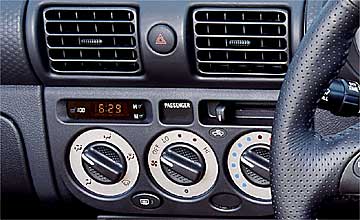
THE major shock is that the air-conditioning - other than the type you get when you drop the roof - is not standard in the Spyder. Secondly, having forked over the extra cash, you don't even get a climate control system. That's right: it's a manual type, just like you'd get in a $16,000 Toyota Echo.
2000 Toyota MR2 Spyder convertible | GoAuto - something

The Car - Sound system

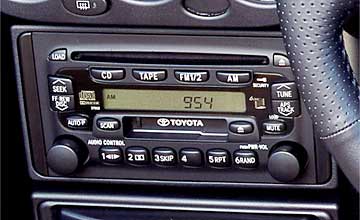
THE Spyder comes standard with six-CD in-dash audio system, which also includes AM/FM radiuo cassette with four speakers. Features include door-mounted tweeters, auto reverse, seek, scan, key off pinch roller, radio played when tape in FF or rewind mode and Dolby B noise reduction. The CD player's features include scan, repeat and random play.

2000 Toyota MR2 Spyder convertible | GoAuto - something

The Car - Security

SPYDER has an engine immobiliser, security alarm with panic mode and wireless door locks. The bonnet opener is concealed in the lockable glovebox. A combined engine hood opener and fuel lid opener valet lock is also provided.
March 1994 - December 1999 Toyota MR2 Spyder convertible Rear shot

Our opinion

Back to basics, light-weight, sharp handling
Room for improvement: Fussy semi-automated gearbox, lack of luggage space,
slabby looks

By BRUCE NEWTON 15/05/2001

THIS might be the third generation MR2, but there's also a few firsts here.

The first Toyota designed from inception to be a convertible, the first Toyota with sequential-shift manual transmission and perhaps most importantly, a lot more in common with the first generation MR2 than the second.

That first MR2 was a small, mid-engined coupe which exploited light weight and dynamic ability to surprise and delight drivers with a sporting bent.

The second generation car was bigger, heavier, more powerful and more expensive, and its audience shrunk as the price blew out to around $60,000.

Now, minimalist is back in fashion. The engine has shrunk in size, the pricetag has dropped significantly and the car even appears truncated compared to its swooping predecessor. There's also been careful attention paid to equipment levels. For instance, air-conditioning is an option!

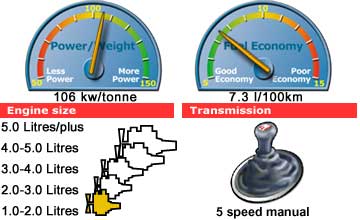
With peak power of 103kW, the Spyder's 1.8-litre four-cylinder engine is 10kW down on the latest Mazda MX-5, but at 975kg it's more than 100kg lighter and therefore right in the ballpark when it comes to power to weight.

And there's plenty of familiarity with the MX-5 experience when you drop the top and go for a burn down a winding country road in the Spyder.

The grip of the front-end and the feel communicated back through the steering wheel are excellent, as is the accuracy of the steering. The only thing that takes some time to get used to is the rear-end which can feel a little floaty, but you soon realise it's going to stick - unless you are really pushing very hard.

The package does deteriorate when the going gets bumpy and rutted, however. There's a tendency for tram-tracking and the front-end can struggle to retain controlled contact with the bitumen. Throw bumps in when you're braking heavily or jumping on and off the throttle and you can feel the Spyder getting a little confused.

Then there's the clutchless manual gearbox. The downshifts are simply superb, complete with a computer-generated blip on the throttle as you engage the gear. Upchanges, however, are too slow particularly if you choose to leave your foot flat on the accelerator.

You really need to lift just as you're pulling the higher gear and then it's noticeably smoother and quicker.

Several members of our test team have commented that the second and third gear ratios seem a little too wide for attacking driving on winding roads. Second will run out of puff just too soon, third seems just too tall. And the gearbox's computer management system will not let you shift down early and use some engine braking if it calculates you are going to over-rev the engine.

Instead, you have to rely on the disc brakes equipped with anti-lock - handy that they are strong on power and feel - to slow you for corners. Only when the revs have died away can you change down and boot the car through the corner.

Oh for a manual gearbox!

That's not such a cry around town where the lack of a clutch pedal is a help rather than a hinderance, although the ability to go full auto in town would probably be the best solution.

And forget about the E-shift buttons on the steering wheel, the gearlever is much easier to use.

All the while, growling away behind your left ear is an eager, hard-revving and smooth little engine - an obvious aural indication that the MR2's traditional mid-mounted engine layout has been retained.

It's an enthusiastic if reasonably noisy little twin cam 16-valve unit which employs variable valve timing technology (VVTi is what Toyota calls it) to deliver honest and flexible performance over a reasonably wide range.

Independent testing has shown that the MR2 Spyder accelerates to 100km/h in about 8.8 seconds and zips through the quarter mile in about 16.4 seconds. That's right in the ballpark for this category.

Moving inside the cockpit and the presentation is a curious mix of sports car theme and Toyota parts bin. There's chrome rings around the air-conditioning dials, black on silver instrument dials with the tacho centrally mounted, that silver knob of a gearshift lever and comfortable body-hugging sports seats.

Yet the audio system head unit is from the styling house that brought you Camry - nothing bespoke there. The presentation is dark, the plastics quite hard and the silver tubing mounted as door grabs could be from your grandmother's bathroom.

On the more practical side, storage space is extremely limited. The front "boot" is a joke, the sliding compartment behind the seats struggles to accommodate a briefcase such are the impracticalities of its shape and the door pockets are only good for a mobilephone.

On the flipside, the glovebox is commodious and you get three cupholders - in a two passenger car.

But the real test of a convertible is the roof. It's a manual system which is easy to use and earns more points for having a glass rear window. With the top down, windows up, the pop-up wind breaker in place and you nestled down into the low seating position this is a cosy environment in which to go for a blast.

It looks good too, a trait not all convertibles can boast when the top's lopped or added back on. In fact, as has been commented far and wide, there's more than a little Porsche Boxster to the styling.

And, happily, there's just a little Boxster in the drive experience too. 
2000 Toyota MR2 Spyder convertible | GoAuto - something

Mechanical

2000 Toyota MR2 Spyder convertible | GoAuto - something

Mechanical - Plan views

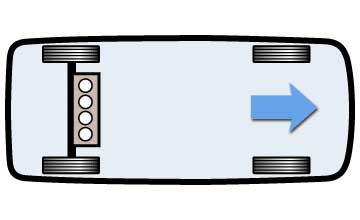
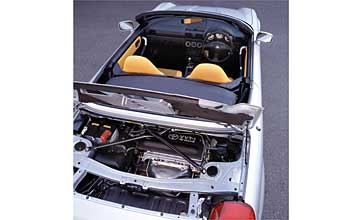
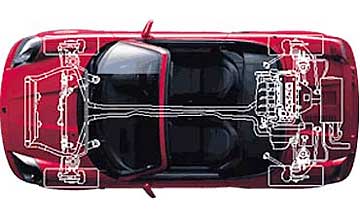
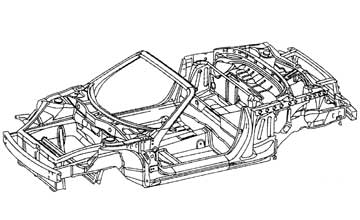
THE MR2 Spyder employs a similar, bespoke mechanical drivetrain as the Porsche Boxster, its transverse four-cylinder being mid-mounted for good weight distribution and driving the rear wheels.

2000 Toyota MR2 Spyder convertible | GoAuto - something

Mechanical - Engine

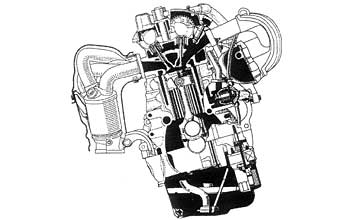
THE MR2 Spyder is powered by an all-alloy 1794cc VVTi-equipped twin cam multi-valve engine which delivers 103kW of power at 6400rpm and 170Nm of torque at 4400rpm. VVTi means the engine offers computer-controlled variable valve timing across the engine revolution range with the aim of producing enhanced driveability.

Did you know?

The engine actually boasts less power than the old car, but that's compensated for by the 231kg lighter kerb weight.

2000 Toyota MR2 Spyder convertible | GoAuto - something

Mechanical - Suspension

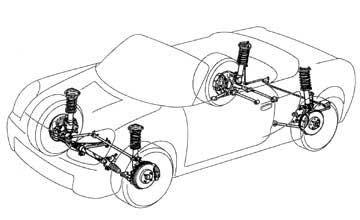
MR2's suspension has been redesigned and recalibrated. The MacPherson strut front suspension has a forged L-shaped lower arm, integrated with the lower ball joint, to optimize suspension rigidity and minimize unsprung weight. The rear MacPherson strut suspension has dual lower link arms and a lateral control rod. Stabiliser bars are fitted front and rear.
2000 Toyota MR2 Spyder convertible | GoAuto - something

Mechanical - Electronic system

THE acclerator pedal and gearshift of the MR2 are "control-by-wire" type. Two separate electronic control units are networked to ensure smooth co-operation between the engine and transmission. The transmission ECU begins operation as soon as the the driver's door is opened, via a signal from the courtesy light switch.

2000 Toyota MR2 Spyder convertible | GoAuto - something

Mechanical - Transmission

THE MR2 uses a sequential type manual transmission. The lever is pushed forward to change down and pulled back to change up. Gears can be shifted using either a short-throw gear lever or E-shift buttons on the steering wheel. Although there is no clutch pedal, the five-speed gearbox is a manual transmission. The clutch operation has simply been automated. Engine start is only permitted when the brake pedal is depressed and the shift lever is in neutral. The transmission ECU controls the clutch change, even closing the throttle momentarily during an up change if the driver's foot is flat to the floor. The ECU also blips the throttle on a downchange to match engine and road speed.

Did you know?

There is no automatic "D" mode, which means the driver must always change gears, except when stopped. Then the car automatically shifts into first gear.

2000 Toyota MR2 Spyder convertible | GoAuto - something

Mechanical - Brakes

THE MR2 Spyder employs ventilated discs with single pistons and floating callipers front and rear. This is mated to four-sensor, four-channel anti-lock braking (ABS) system. Toyota claims the stopping distance has been reduced by 13 per cent compared to its predecessor.

2000 Toyota MR2 Spyder convertible | GoAuto - something

Mechanical - Steering

THE steering system is rack and pinion, combined with Toyota's unique electro-hydraulic power steering. The power steering system is road-speed sensitive, designed to suit mid-ship engine installation and tuned to provide maximum assistance at parking speeds.

2000 Toyota MR2 Spyder convertible | GoAuto - something

Safety

Dual SRS airbags and pre-tensioning seatbelts with force limiters are standard. Toyota claims the Spyder passes the European 40 per cent offset deformable barrier test and side impact test at much higher impact speeds than the regulations required. The Spyder makes extensive use of high-tensile steel sheet, including the front bonnet, engine hood and door skins, and for the full length of the chassis rails.

Did you know?

Impact absorbing structures at the front, side and rear of MR2 include protection beams in doors and reinforcements to the rear upper members and rear side members.

RIVALS:
TOYOTA MR2 SPYDER MAZDA MX-5 MGF 1.8i
PRICE - RETAIL (Accurate at time of publishing)
$46,200 $43,485 $42,270
TRANSMISSION
5-speed sequential manual 5-speed manual 5-speed manual, 5-speed auto
DRIVING WHEELS
Rear Rear Rear
ENGINE
1.749 litres DOHC 16V, 4-cyl 1.839 litres DOHC 16V, 4-cyl 1.796 litres DOHC 16V, 4-cyl
MAX POWER
103kW 113kW 90kW
LENGTH
3885mm 3975mm 3910mm
WIDTH
1695mm 1680mm 1630mm
HEIGHT
1240mm 1225mm 1260mm
WEIGHT
975kg 1085kg 1075kg

Data

    WARRANTY:

  • Three years/100,000km
  • Service intervals: 10,000km/12 months

    ENGINE:

  • 1.794-litre DOHC 16-valve transverse mid-mounted petrol four-cylinder with variable valve timing
  • Induction: Electronic fuel-injection
  • Bore/Stroke: 79.0mm x 91.5mm
  • Compression ratio: 10.0:1
  • Power: 103kW at 6400rpm
  • Torque: 170Nm at 4400rpm

    TRANSMISSION:

  • Five-speed sequential manual

    SUSPENSION:

  • Front: Independent by MacPherson struts with lower L-arms, coil springs, gas shock absorbers and ball joint mounted stabiliser bar
  • Rear: Independent by MacPherson struts, dual-link lower arms with control rod, coil springs, gas shock absorbers and ball joint mounted stabiliser bar

    STEERING:

  • Electro-hydraulic power assisted rack and pinion
  • Turns lock to lock: 2.62
  • Turning circle: 10.0 metres

    DIMENSIONS:

  • Length: 3885mm
  • Width: 1695mm
  • Height: 1240mm
  • Wheelbase: 2450mm
  • Track front: 1475mm
  • Track rear: 1460mm
  • Fuel tank: 48 litres
  • Kerb weight: 975kg
ACCELERATION: 0-100km/h: 7.5 secs.
TOP SPEED: 180km/h limited - JDM Specs.  (215km/h Elsewhere)

END OF SOURCE 1: GOAUTO Australia. 

 Toyota MR2 MKIII History

SOURCE 2: http://mr2wiki.com/AllModels/History

2000

The all-new 2000 MR2 Spyder two-seat roadster was capable of
delivering a level of acceleration, braking and maneuverability that
came very close to vehicles pegged at nearly twice its price.
Weighing in at 2,195 pounds, the MR2 Spyder rode on a wide,
low-slung platform, supported by MacPherson struts at all four corners.
 It had a wheelbase of 96.5 inches and an overall length of 153 inches.

The Spyder was powered by a 1.8-liter twin-cam 16-valve four-cylinder
engine which featured VVT-i cylinder head technology. Rated at 138-hp
at 6,400 rpm and 125 lb-ft of torque at 4,400 rpm, the Spyder's favorable
power-to-weight ratio contributed to a zero-to-60 acceleration time of
6.95 seconds. Power was applied to the rear wheels through a five-speed
manual transmission.

The Spyder's coachwork features steel panels that are bolted onto a 
high-rigidity unit-body, making repairs and customization easier and 
less expensive. There were storage compartments under the front 
hood and behind the seatbacks. The center cluster console was 
designed to accommodate audio equipment, or could be removed 
completely. The manually operated convertible soft-top folded completely 
out of sight, and needed no tonneau cover, unlike most convertibles. 

The MR2 offered six exterior color choices and three interior color
combinations. The list of standard features was extensive and the 
only options were dealer-installed accessories.

2001

For 2001, the MR2 Spyder carried over with no new changes.

2002

The 2002 MR2 Spyder is available with a clutchless sequential manual
transmission (SMT). The MR2 Spyder is the first U.S.-market Toyota
model to feature this new, sophisticated transmission. The clutch pedal
and gear selector have been replaced with a single shifter. The SMT
clutch and gear selector operations are performed by ECU computer
controlled actuators and the engine is also equipped with electronic
throttle control to allow the ECU to reduce torque during shifts. Spyders

equipped with this new transmission also come with cruise control.

2003

In 2003 the MR2 received several updates. The front and rear bumpers
were revised, in addition to new headlights, taillights, and side vents.
The chassis also received additional bracing and a limited-slip
differential was available as an option. Wheels and tires were also
slightly increased in size.

2005

The MR2 Spyder is discontinued in America (along with the Mk VII
Celica at the same time). No replacement is announced. It's sold for
another year in the UK, where it also gets a special limited edition
model.

NOTE: All chronology dates are model year, unless noted 
otherwise. CY refers to "Calendar Year."

END OF SOURCE 2. 

SOURCE 3: http://www.carsdirect.com/toyota/mr2_spyder/colors

Colour and trim choices.

Exterior Colors
 Absolutely Red
 Black
 Electric Green Mica
 Paradise Blue Metallic
 Phantom Gray Pearl
 Silver Streak Mica
 Solar Yellow
 Spectra Blue Metallic
 Super White

Interior Colors
 Black
 Gray
 Red
 Tan

 Without further ado, let's proceed to SOURCE 4: 


Above: TRD Stage 3 Bodykit.


Source 4:
http://www.carsurvey.org/reviews/toyota/mr2/
That's all folks, thanks for having the time and patience to read this blog entry of mine...